What Makes a House Feel Like Home?
This time of the year tends to slow us down just enough to notice the little things. The way sunlight hits the living room in the morning. The chair everyone gravitates toward. The kitchen where conversations linger longer than planned.
A house can be beautiful, well-designed, and perfectly located—but what truly makes it feel like home goes far beyond square footage or finishes.
In Tallahassee, where homes range from historic neighborhoods to newer communities tucked into nature, the feeling of home often comes from a blend of comfort, connection, and personal meaning.
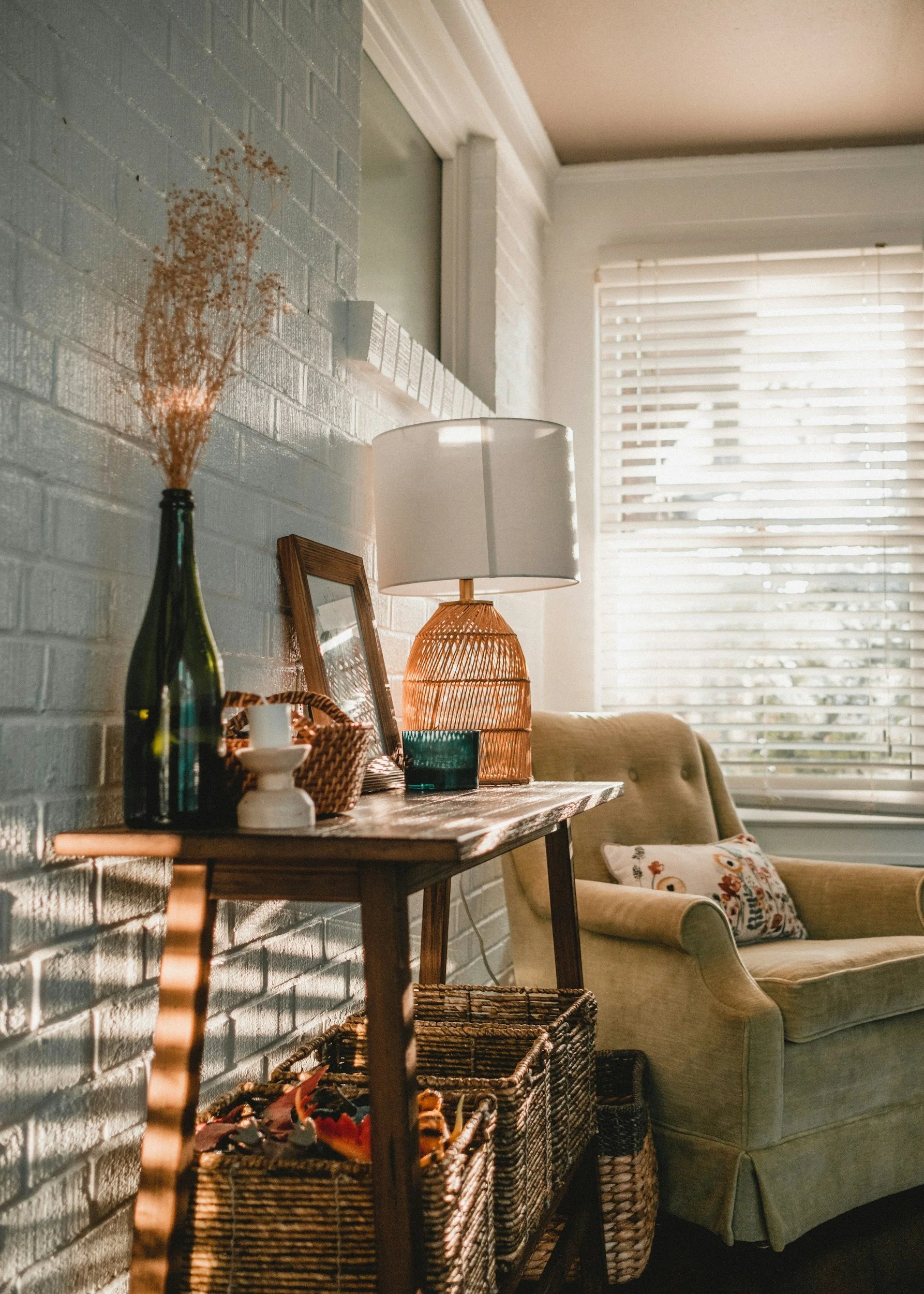
Home Is About How You Live, Not Just Where You Live
When people talk about loving their home, they rarely mention countertops or ceiling height first. Instead, they talk about:
Where they drink their coffee in the morning
Where family and friends naturally gather
The room that feels like an exhale at the end of the day
A home supports your daily rhythms. It makes life easier, calmer, and more grounded. That sense of ease is what many buyers are searching for—even if they don’t realize it yet.
The Emotional Side of Space
Certain homes just feel right. Often, that comes down to how the space aligns with your life:
A layout that allows connection without crowding
A quiet corner for rest or reflection
Outdoor spaces that invite you to slow down
In North Florida, porches, patios, and yards often play a big role in this emotional connection. Being able to step outside, feel the breeze, and stay connected to nature is part of what makes many Tallahassee homes feel special.
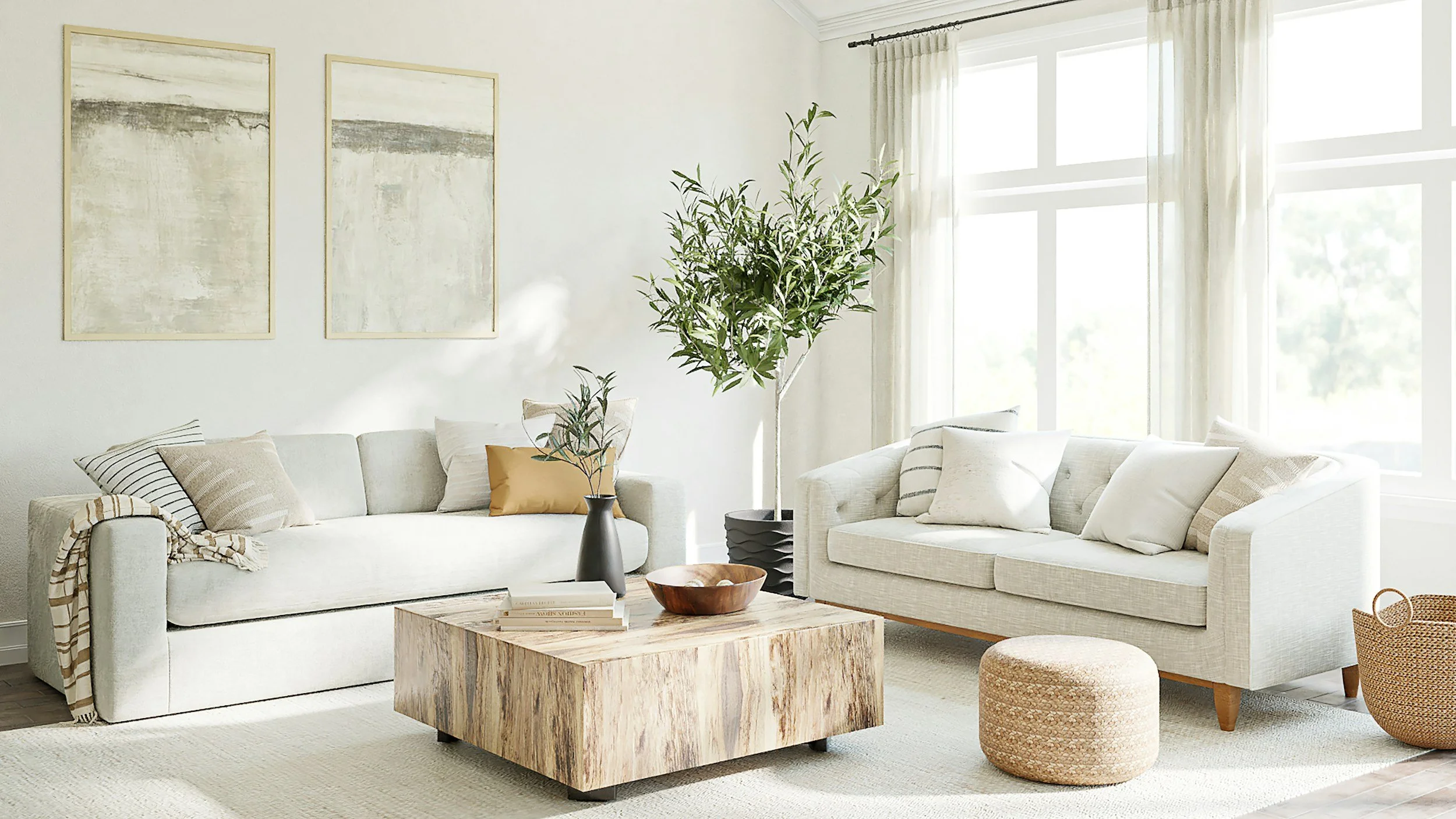
Personal Touches Matter More Than Trends
Design trends come and go, but personal details are what create warmth:
Family photos or meaningful art
Furniture that tells a story
Rooms that reflect how you actually live
A home that feels authentic tends to be more inviting—not just to guests, but to the people who live there every day. This is true whether you’ve lived in your home for decades or just moved in last year.
Why “Feeling at Home” Matters in Real Estate (Even When You’re Not Moving)
Homes that feel welcoming tend to be better cared for. They’re maintained with intention, adapted with purpose, and appreciated for more than just their market value.
For buyers, that emotional connection often drives decisions.
For sellers, it’s what others feel the moment they walk through the door.
For homeowners, it’s what makes everyday life feel more settled and satisfying.
Even if selling isn’t on the horizon, nurturing that feeling matters.
Coming Back to What Home Means to You
This month, consider asking yourself:
Where do I feel most at ease in my home?
Which spaces support me—and which could use a little attention?
What small change could make my home feel more like me?
A house becomes a home not through perfection, but through presence, care, and connection. February is a beautiful time to notice and appreciate the spaces that hold your life.